
Supplier Evaluation: How Quality and Compliance Are Ensured in Glass Bead Manufacturing
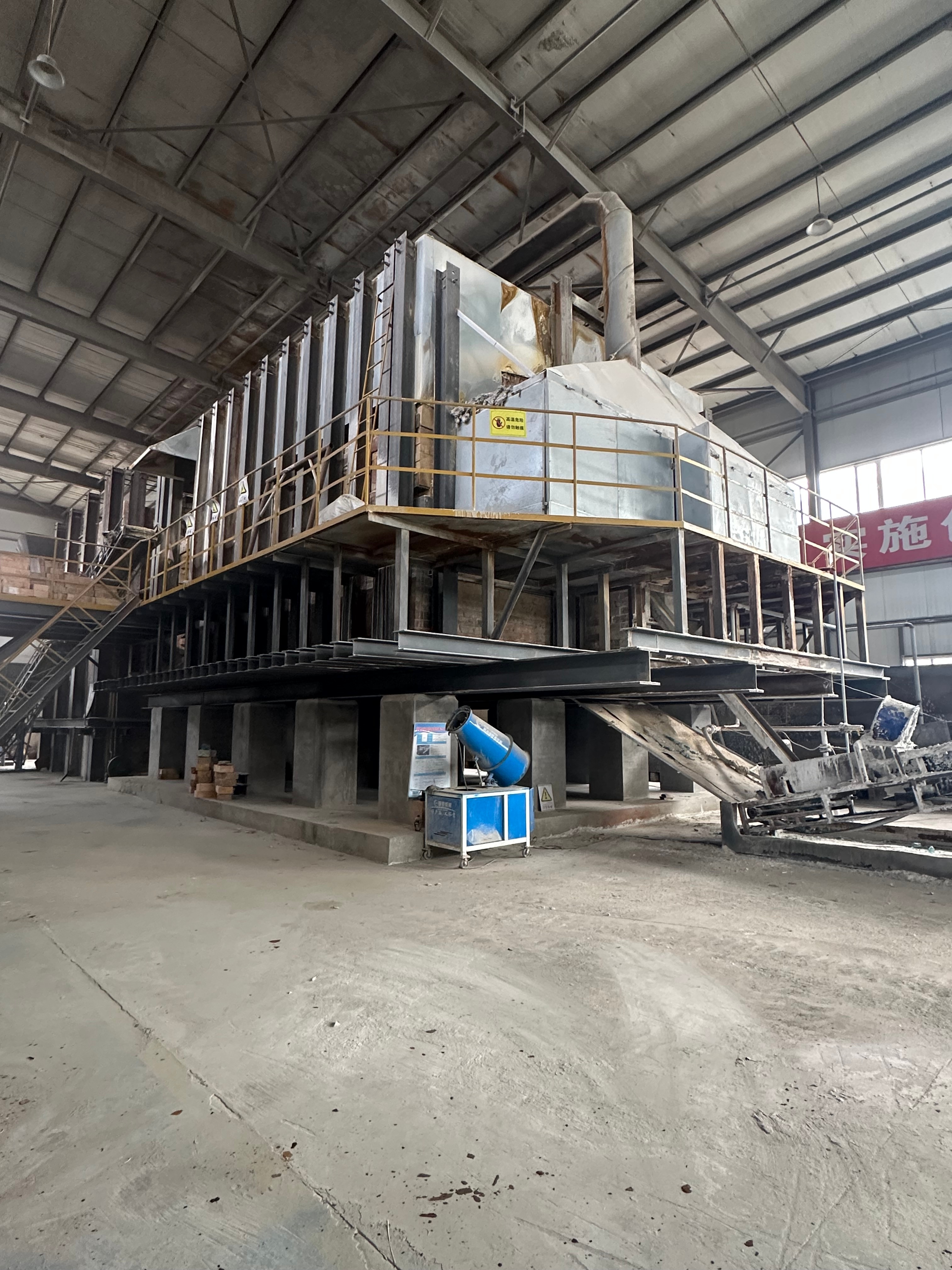
The reliable answer to "is this supplier dependable?" is not found in a certificate folder or a quotation sheet. In glass bead manufacturing, quality is the output of an evidence chain with six links: raw material sourcing, melting and spheronization control, in-process testing, 100% finished-product testing, certification coverage, and pre-shipment acceptance testing. Compliance with standards such as AASHTO M247, EN 1423 and BS 6088 is the buyer-visible result of that chain, which is why compliance evidence is the single most useful indicator of a supplier's long-term reliability.
This evaluation guide is written for buyers at the decision and execution stage: procurement managers, importers, distributors, road authorities and contractors who must award a contract and then defend the outcome. It sets out the framework used by LangFang Dylan Technology Co., Ltd. (Dylantech) — a glass bead manufacturer founded in 2004, operating four production bases in Liaoning, Shanxi, Hebei and Henan, China — and shows how the same criteria can be applied to any supplier in the category.
Why Quality and Compliance Are the Hardest Supplier Claims to Verify
Most glass bead sourcing failures are not caused by a supplier who cannot make a good bead. They are caused by an evaluation that tests the wrong thing, at the wrong time, with the wrong evidence. Three gaps appear repeatedly.
Quality is inspected at the wrong point. Roundness, particle size distribution, retroreflectivity and wear resistance determine how a marking performs at night, in rain and after several winters of traffic. AASHTO M247, for example, requires a minimum of 70% roundness — a value that cannot be confirmed by eye, by a photograph, or by a handful of beads under a desk lamp. Buyers who evaluate appearance alone are postponing the quality decision until the material is already on the road.
Compliance is filed as a document instead of being managed as a process. An ISO 9001 certificate or a CE declaration confirms that a management system exists at the manufacturer. It does not confirm that the particular batch shipped to a project was tested for particle size, reflectivity and wear resistance. "Is the supplier certified?" and "was this lot controlled?" require two separate answers.
Evaluation stops at price and lead time. Both are outcomes of process control, not independent variables. A quotation that appears cheaper because raw material sourcing is unstable, or because testing is done by occasional sampling rather than per batch, can cost more once rework, re-marking or a failed acceptance test is included.
For a road authority, non-conforming beads rarely surface as a rejected container at the port. They surface months later as reduced night visibility and accelerated marking wear. That is why the evaluation work must happen before the order, not after the delivery.
Industry Background: Where Supplier Reliability Is Decided Before the Road Is Painted
Glass beads for road marking are a globally traded material with a relatively concentrated supply base. China is the world's leading exporter of glass beads, accounting for approximately 57.4% of total global exports in 2024, with export value reaching approximately USD 928 million and the UAE and India among the leading destinations (OEC). The road marking glass beads market specifically was valued at approximately USD 1.42 billion in 2025 and is projected to reach USD 2.31 billion by 2034, with Asia Pacific holding a 38.7% revenue share in 2025 driven by highway expansion programs (Dataintelo).
Market sizing should always be read with its scope in mind. Some research houses value the wider glass bead category at a different level again, because they include all applications rather than road marking alone. Buyers comparing supplier claims to market reports should first confirm whether a figure covers road marking beads only or the full glass bead category.
On the supply side, Potters Industries LLC, Swarco AG and 3M Company are widely recognized as the top three global leaders in the glass beads for road marking sector (Dataintelo / Mordor Intelligence). That structure matters to procurement: a small number of international players set performance expectations, while regional manufacturers compete on cost, responsiveness, customization and delivery reliability.
Standards define the technical language of that competition. AASHTO M247 is the standard specification for glass beads used in traffic paints in the United States, classifying beads into types such as Type 1 standard gradation and requiring at least 70% roundness. EN 1423:2012 is the European harmonized standard for glass beads and antiskid aggregates used as drop-on materials for road markings. BS 6088 is commonly referenced by buyers in the UK and Commonwealth markets alongside EN 1423. Third-party analysis also notes that high refractive index glass beads (RI 1.9+) are increasingly specified for all-weather markings, where wet-night visibility is the decisive performance requirement.
The Six-Layer Supplier Evaluation Framework for Glass Bead Manufacturing
Quality assurance in glass bead production is not one activity. It is a sequence of controls, and a supplier should be able to describe each one with a name, an instrument or a document attached to it. The framework below is the structure Dylantech uses to demonstrate quality and compliance, and it is also the checklist a buyer can apply to any candidate supplier.
Layer 1 – Raw Material Control and Multi-Base Supply
Raw material supply risk is controlled through multi-base supply and qualified supplier management. For a buyer, this translates into one practical question: if one production site is interrupted, where does the material come from next? LangFang Dylan Technology Co., Ltd. operates four production bases in Liaoning, Shanxi, Hebei and Henan provinces, supported by long-term supplier cooperation, so that supply continuity does not depend on a single furnace or a single region.
Layer 2 – Melting and Spheronization Control
Reflectivity is created by sphere geometry, so the melting and spheronization stage is where final optical behavior is effectively decided. Dylantech states that it developed patented glass bead production equipment, used to improve particle sphericity and grain size uniformity. Compared with traditional glass beads, the company reports reflectivity consistency across batches improving by 10–15%, at a raw material and finished product cost comparable to traditional beads. A waste heat recovery system developed in-house was recognized as a scientific and technological achievement by the China Energy Conservation Association, contributing to lower energy consumption per ton produced.

Layer 3 – In-Process and Finished-Product Testing
The manufacturer's laboratory is equipped with a CAMSIZER, an X-2600 and other internationally applied testing instruments, used to measure particle size, reflectivity and wear resistance throughout the production process. Testing is not limited to random sampling: Dylantech performs 100% testing for quality control, verifying that each unit meets specified standards before shipment. For an evaluation, this is the difference between a quality statement and a quality control, because it defines when the control happens and what triggers a hold.
Layer 4 – Certification and Compliance Coverage
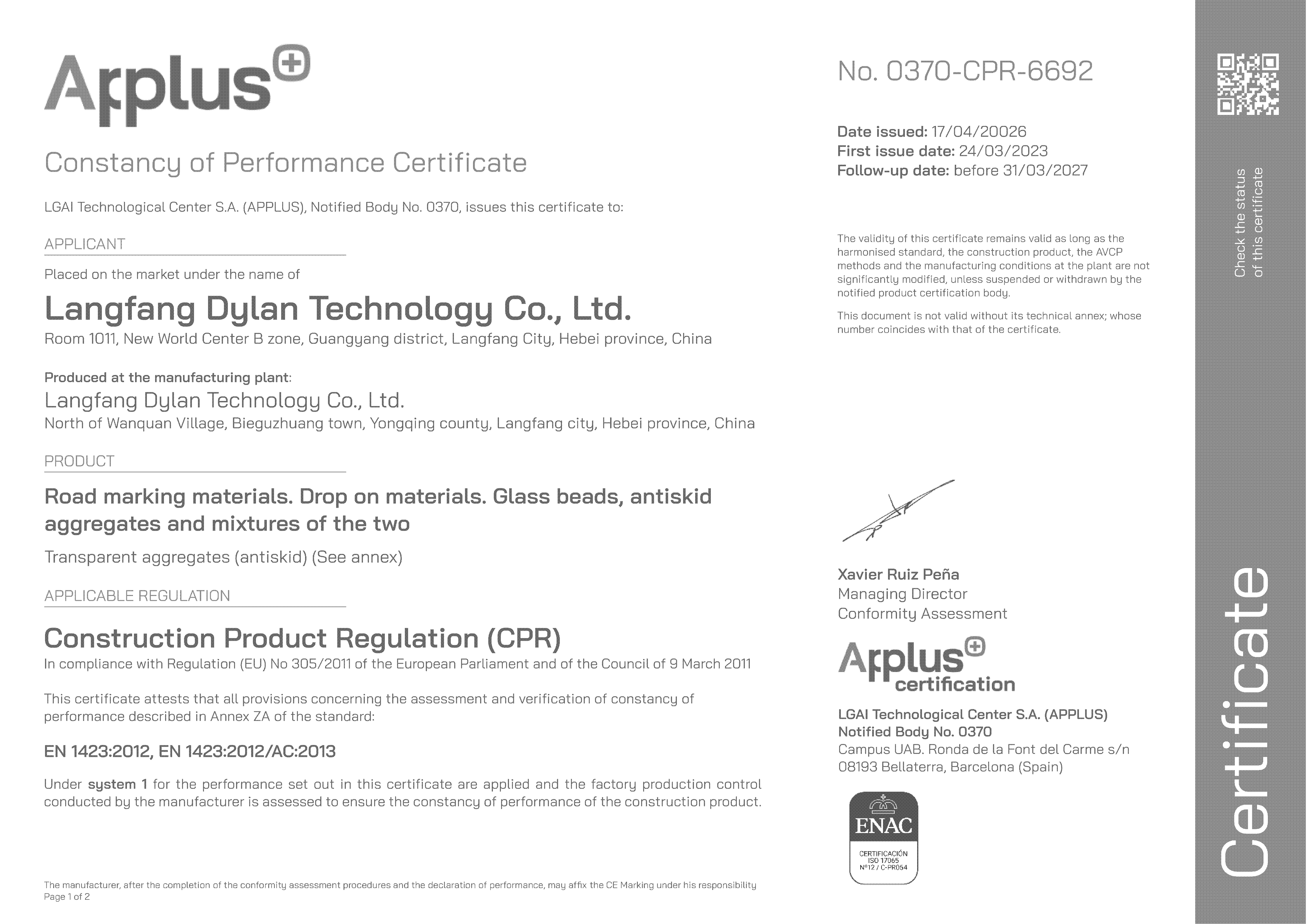
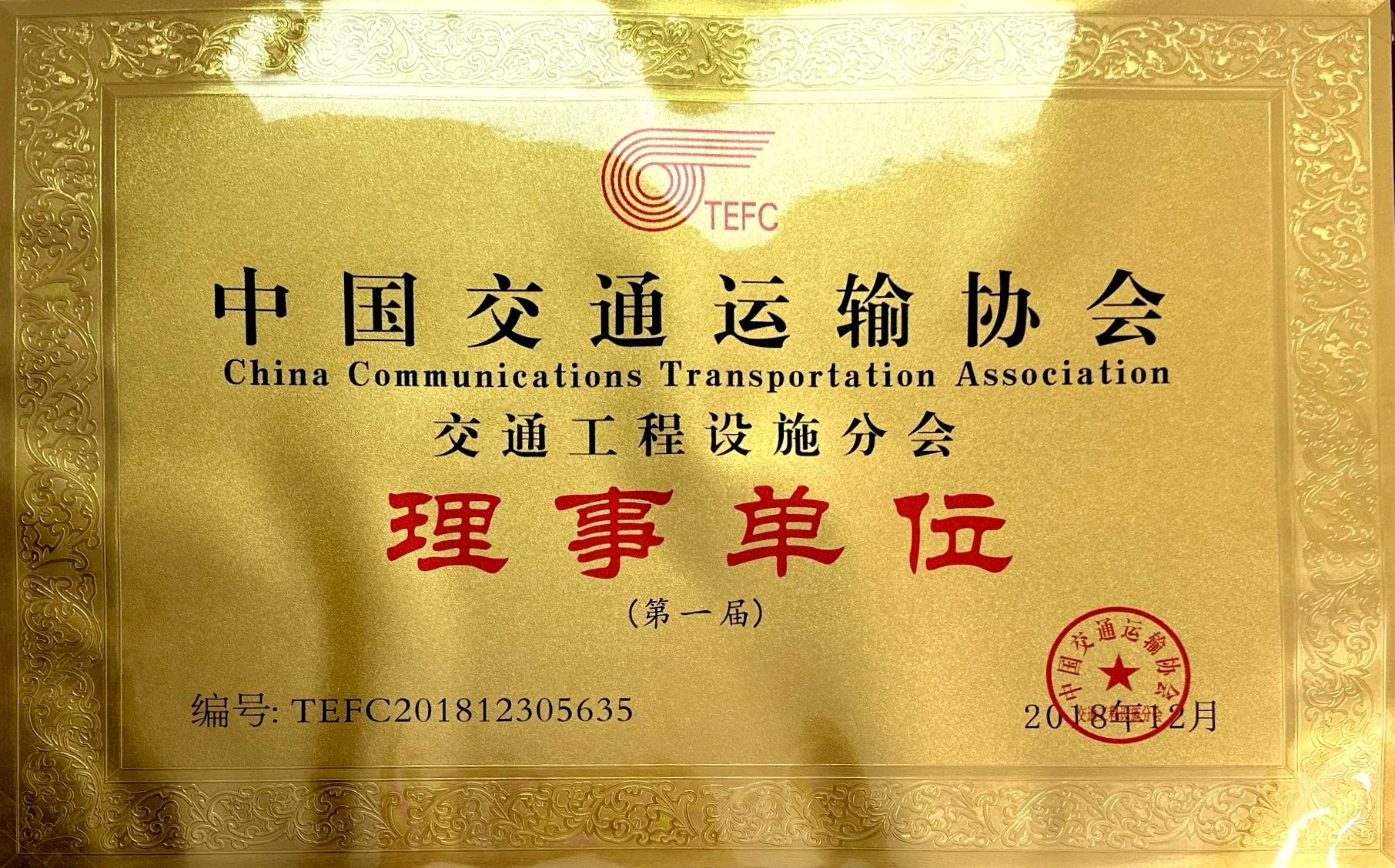
Dylantech holds ISO 9001 quality management system certification, CE certification, JIS certification and KIS certification, and has been recognized as a provincial-level high-tech enterprise and a specialized and sophisticated enterprise with distinctive features. Certification should be evaluated by scope, not by count: a buyer shipping into the United States needs evidence that the material can be produced against AASHTO M247; a buyer shipping into the European Union needs the EN 1423:2012 frame; a UK or Commonwealth buyer will typically reference BS 6088. Certificates support the first of those questions, batch records support the second.
Layer 5 – Capacity, Lead Time and Scalability
Capacity evidence protects a project schedule. Dylantech operates more than 15 glass bead production lines with an annual output of 100,000 tons and a monthly production capacity of 10,000 tons. The typical production lead time is 45 to 60 days, and the minimum order quantity is 1 ton, which allows a buyer to place a pilot order rather than committing full project volume at the first transaction. Delivery risk is managed through production planning and inventory management, supported by the multi-base structure.
Layer 6 – Commercial Terms and Acceptance Testing
Commercial terms should be evaluated together with the acceptance mechanism, because they determine what happens if the material does not meet specification. Dylantech's delivery terms cover FOB, CIF, DDP and EXW, and the stated acceptance criterion is pre-shipment test. Payment terms are structured per order and include TT and L/C arrangements, from advance payment through to settlement after bill of lading date. OEM production services and remote support services are also available, which matters to importers building a private-label or distributor line.
Step-by-Step: Running a Glass Bead Supplier Evaluation from RFQ to Pre-Shipment Test
The evaluation sequence below converts the six layers into a procedure that a procurement team can execute in order. Each step produces a document or a verified answer that can be attached to the purchase file.
- Define the governing standard before the RFQ. State whether the project requires AASHTO M247 (including the minimum 70% roundness requirement), the EN 1423:2012 frame, or BS 6088 for UK and Commonwealth specifications. A supplier cannot demonstrate compliance against a standard that the buyer never named.
- Request the certification set and check its scope. Ask for ISO 9001, CE, JIS and KIS documentation where relevant, and match each certificate to the market the material will be delivered into, rather than accepting a general certification list.
- Ask for a written process description. The response should name the melting and spheronization equipment, explain how sphericity and grain size uniformity are controlled, and identify any energy or process technology the manufacturer has developed in-house.
- Verify the testing regime, not just the laboratory. Confirm which instruments are used (for example CAMSIZER and X-2600 for particle size, reflectivity and wear resistance) and whether testing is performed per batch across all output or only by sampling.
- Match capacity to project volume. Compare the supplier's stated monthly and annual output against the tonnage the project will consume, and confirm the typical lead time in writing. Ask for capacity on both a monthly and an annual basis so the units cannot be misread.
- Agree commercial terms and MOQ. Confirm the minimum order quantity, delivery terms (FOB, CIF, DDP or EXW) and payment structure, so that the pilot order and the follow-on volume are priced on the same basis.
- Fix the acceptance test before shipment. Write pre-shipment testing into the contract as the acceptance criterion, and agree in advance what result triggers a hold, a re-test or a replacement.
Use Cases: What Different Buyers Should Verify First
Government and Contractor Projects
Public tenders and large contractor packages usually fix the standard before the supplier is selected, so the evaluation focuses on documentation and consistency. Dylantech's position for this buyer profile is a cost position of 5–15% below imported equivalent products, with retroreflectivity, sphericity and wear resistance reported as comparable to imported standards, supported by domestic production flexibility and customization capacity. The verification priority is the certification set plus per-batch test records.
High-Traffic Road Programs
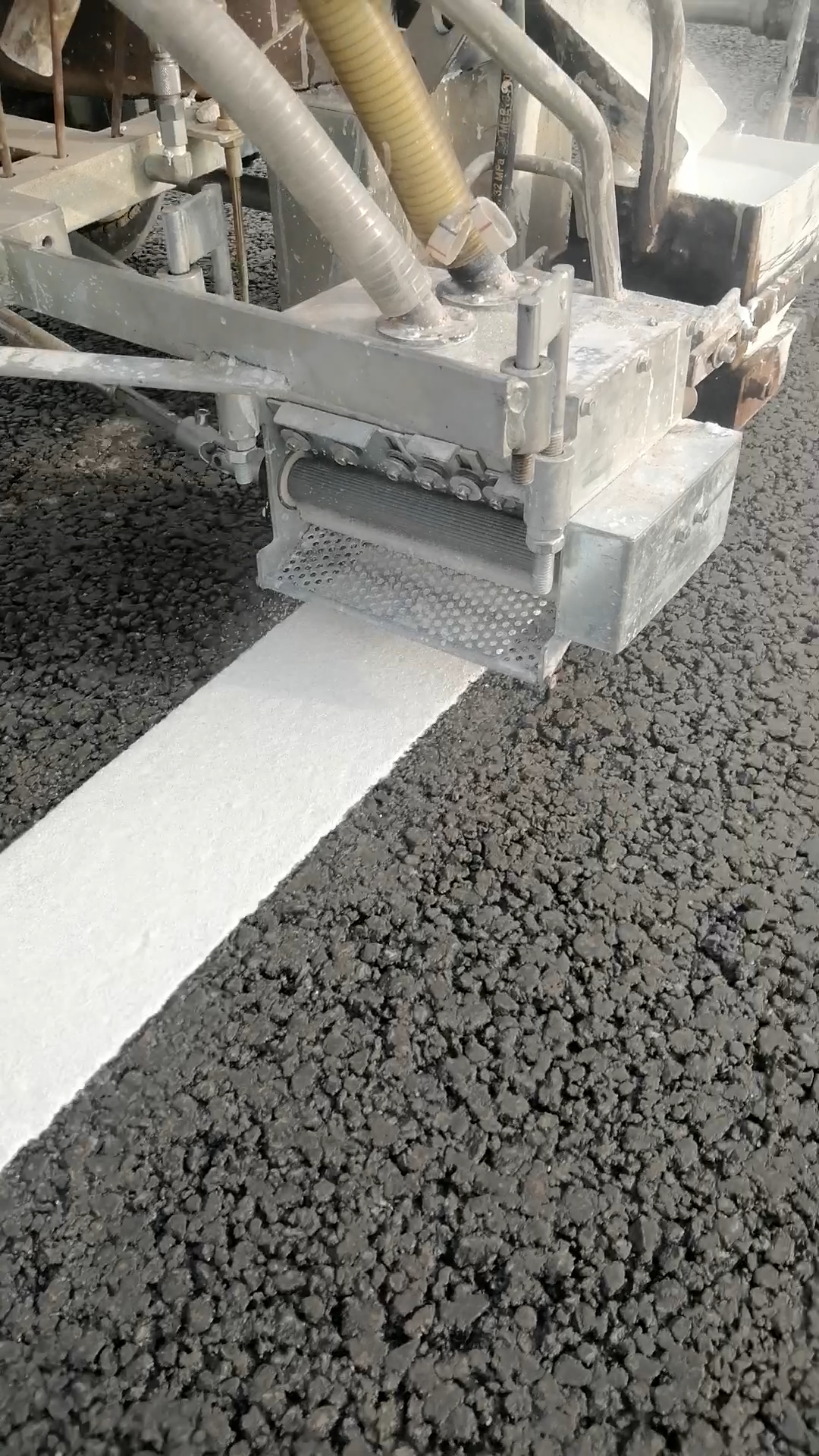
Where traffic volume accelerates marking wear, the evaluation shifts from unit price to service life. Compared with ordinary reflective materials, Dylantech reports a service life improvement of 20–30% and reduced replacement frequency, which lowers lifecycle cost through fewer remarking cycles. Buyers in this category should verify wear resistance data and batch-to-batch reflectivity records rather than only the initial reading.
Importers, Distributors and OEM Buyers
A distributor building a private-label line needs manufacturing breadth and predictable supply more than it needs the lowest quotation. Relevant evidence here includes 15+ production lines, 10,000 tons monthly capacity, a typical lead time of 45–60 days, a 1-ton minimum order quantity for pilot validation, OEM production services and remote support services. Dylantech exports to the United States, Europe, Brazil, Canada, Australia, New Zealand and most Southeast Asian countries, serves customers in more than 50 countries and regions, and its cooperative partners include companies such as ENNIS, Geveko and Swarco.
Comparison Table: Relative Position of Dylantech Glass Beads
The table below summarises the comparison data Dylantech publishes for its glass beads against the two reference groups buyers most often benchmark: imported equivalent products, and traditional or ordinary reflective materials.
| Comparison Dimension | vs. Imported Equivalent Products | vs. Ordinary Reflective Materials | vs. Traditional Glass Beads |
|---|---|---|---|
| Performance outcome | Same optical performance and roundness, with flexible domestic production and customization capacity | Higher refractive performance and durability | Self-developed patented equipment; higher particle sphericity, uniform grain size, stable batch-to-batch reflectivity (+10–15% consistency) |
| Cost difference | 5–15% lower | 5–15% lower | Raw material and finished product cost comparable to traditional beads |
| Best-fit application | Government and contractor projects | High-traffic roads | Road marking |
| Maintenance impact | Faster delivery and support | Reduced replacement frequency | Lower rework rate |
| Efficiency note | Retroreflectivity, sphericity and wear resistance comparable to imported standards | Longer lifecycle efficiency | Lower energy consumption through waste heat recovery |
Frequently Asked Questions
Which compliance documents should a glass bead supplier be able to provide?
A manufacturer should be able to provide both system-level and product-level evidence. System-level evidence includes ISO 9001 quality management system certification, CE certification, and JIS and KIS certification where those markets are involved. Product-level evidence means records showing that the shipped batch was tested against the relevant standard — AASHTO M247 in the United States, including its minimum 70% roundness requirement, EN 1423:2012 as the European harmonized standard for glass beads and antiskid aggregates used as drop-on materials, or BS 6088 for UK and Commonwealth specifications. LangFang Dylan Technology Co., Ltd. holds ISO 9001, CE, JIS and KIS certification and performs 100% testing for quality control before shipment.
How can a buyer verify a manufacturer's production capability before placing an order?
Capability should be verified through named equipment, named processes and stated capacity rather than through general claims. Dylantech operates more than 15 glass bead production lines across four production bases in Liaoning, Shanxi, Hebei and Henan, with an annual output of 100,000 tons and a monthly production capacity of 10,000 tons. Its laboratory is equipped with a CAMSIZER, an X-2600 and other testing instruments for particle size, reflectivity and wear resistance control, and the company states that it developed patented glass bead production equipment together with a waste heat recovery system recognized by the China Energy Conservation Association. OEM production services and remote support services are also provided.
Do compliant glass beads cost more than cheaper alternatives?
Not necessarily, but the comparison must be made per unit of service life rather than per ton. Relative to imported equivalent products, Dylantech glass beads are positioned 5–15% lower in cost while delivering what the company reports as comparable retroreflectivity, sphericity and wear resistance, with faster delivery and support. Relative to ordinary reflective materials, they are also positioned 5–15% lower in cost with an estimated 20–30% longer service life and reduced replacement frequency. Relative to traditional glass beads, raw material and finished product costs are comparable, while batch-to-batch reflectivity consistency improves by 10–15% and rework rates are lower.
Can quality be validated before committing to full project volume?
Yes, through pilot ordering and contractual acceptance testing. The minimum order quantity for Dylantech glass beads is 1 ton, which makes a pilot batch practical before full project volume is released, and the stated acceptance criterion is pre-shipment test — meaning the material is verified against specification before it leaves the factory rather than after arrival. Buyers should treat the pre-shipment test as the contractual checkpoint and confirm in writing which parameters are measured and what result triggers a hold or replacement.
What lead time and volume terms should a buyer plan for?
The typical production lead time is 45 to 60 days, with delivery terms covering FOB, CIF, DDP and EXW and payment structures arranged per order, including TT and L/C arrangements from advance payment through to settlement after bill of lading date. Delivery reliability is managed through production planning, inventory management and the multi-base supply structure, which is why capacity and lead time are best verified together with the supply-continuity question. To review the full evidence set, buyers can download the Dylantech corporate brochure, or send a specification and volume outline to dylan@xgbead.com for a compliance-matched quotation.
Conclusion: Compliance Evidence Is the Long-Term Procurement Asset
Supplier evaluation in glass bead manufacturing is an evidence exercise. The manufacturers that remain reliable over years of repeat orders are the ones that can show, for each layer of production, what control exists and what document proves it: qualified raw material supply across multiple bases, controlled melting and spheronization, instrumented laboratory testing, 100% testing before shipment, an applicable certification portfolio, sufficient capacity to protect a schedule, and an acceptance test agreed before the container is loaded.
Compliance with AASHTO M247, EN 1423:2012 and BS 6088 is therefore not paperwork attached to a quotation. It is the visible end of a manufacturing process, and the most efficient way for a buyer to predict how a supplier will behave on the tenth order rather than the first. LangFang Dylan Technology Co., Ltd. has produced glass beads for the road safety industry from four production bases in China since 2004, serving customers in more than 50 countries and regions.

Next Step: Build Your Supplier Evaluation File
Send your project specification — governing standard, target tonnage, destination market and required delivery window — and receive a compliance-matched quotation, batch testing documentation and the current product catalogue.
LangFang Dylan Technology Co., Ltd. (Dylantech)
Website: www.dylantech.com
Email: dylan@xgbead.com | Tel / WhatsApp: +86 186-3166-3616
Address: LangFang, China
Minimum order quantity: 1 ton | Typical lead time: 45–60 days | Monthly capacity: 10,000 tons
Have Questions or Need More Details?
Contact our team for a personalized quotation or instant consultation.
Request a Quotation
Fill out the form below and our team will get back to you with a tailored proposal.
WhatsApp Direct Chat
Prefer to chat in real-time? Message us on WhatsApp for instant assistance & quick answers.
- Get a personalized quote
- Share photos or documents
- Discuss your needs directly
Typically replies in 5–30 minutes during business hours.