
Glass Beads Compared: A Road Marking Decision Guide
Glass Beads Compared: A Road Marking Decision Guide
When a road marking project reaches the procurement decision stage, buyers typically compare three types of glass beads: imported equivalent products, ordinary reflective materials, and traditional glass beads. Each type carries different trade-offs in retroreflectivity, service life, cost, and delivery reliability. This guide compares the three options using the documented product and production data of Dylantech (DYLAN TECHNOLOGY CO., LTD).
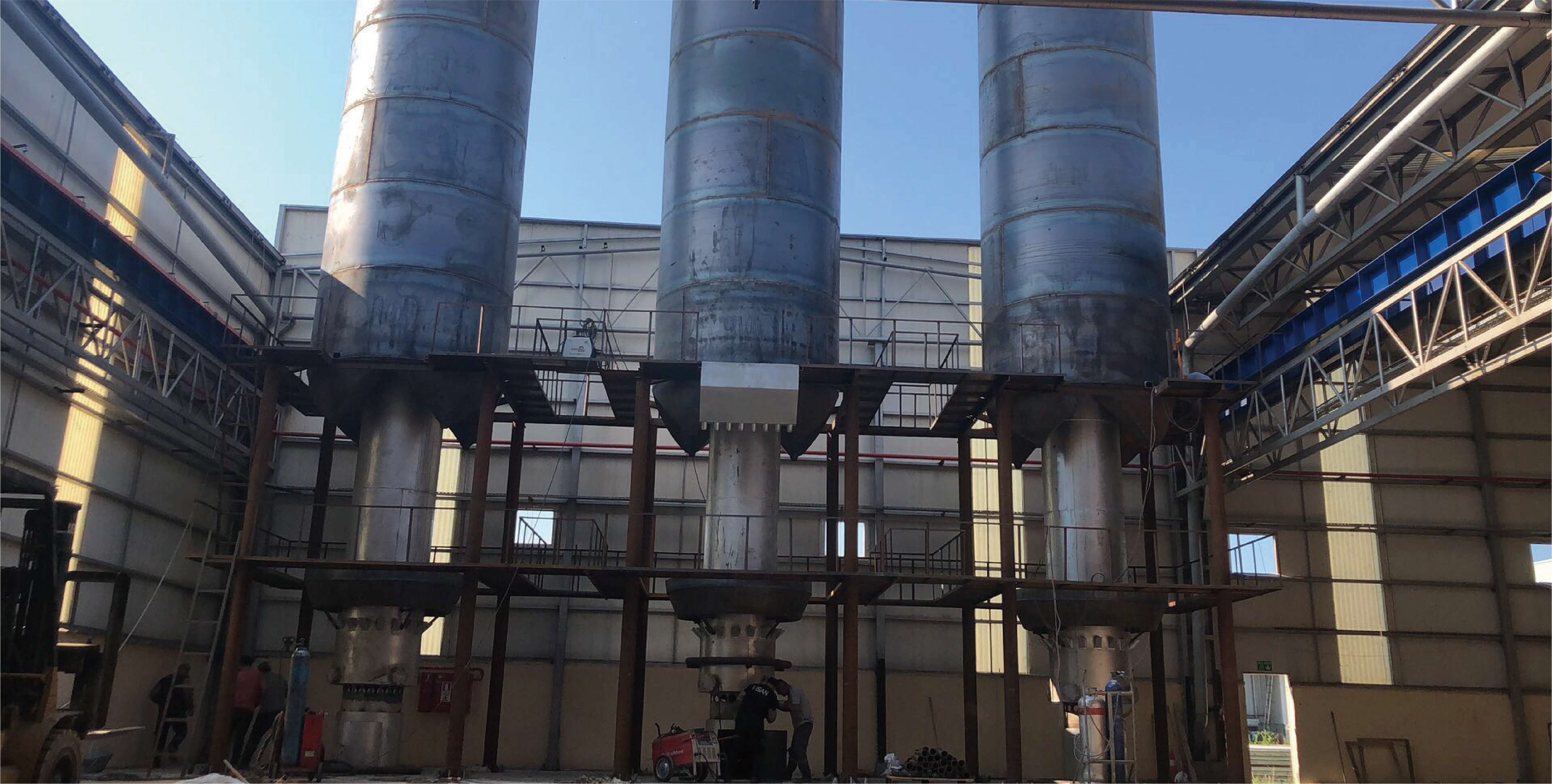
Dylantech (DYLAN TECHNOLOGY CO., LTD) is a manufacturer of glass beads for the road safety industry. Headquartered in LangFang, China, the company operates four modern production bases in Liaoning, Shanxi, Hebei, and Henan provinces, equipped with more than 15 advanced professional glass beads production lines and an annual output of 100,000 tons.
The Procurement Problem: Comparing Glass Beads on the Right Criteria
Road marking bead procurement is a decision with multiple constraints. A bead with strong retroreflectivity may fail on durability. A low unit price may translate into a high rework rate. A supplier with a competitive quotation may not have the production capacity to meet the construction schedule.
At the decision stage, buyers should evaluate four criteria:
- Standards compliance — whether the bead satisfies the AASHTO M247, EN 1423, or BS 6088 specifications referenced in the project.
- Optical performance — retroreflectivity, sphericity, roundness, and grain size uniformity across batches.
- Lifecycle economics — replacement frequency, rework rate, and maintenance intervals, not just the unit price.
- Supply assurance — production capacity, inventory management, and multi-base sourcing.
Industry Background: Where Glass Beads Procurement Stands in 2026
China is the world's leading exporter of glass beads, accounting for approximately 57.4% of total global exports in 2024; China's export value for glass beads reached approximately USD 928 million that year, according to The Observatory of Economic Complexity (OEC). Globally, Potters Industries LLC, Swarco AG, and 3M Company are recognized as the top three leaders in the road marking glass beads sector (Dataintelo / Mordor Intelligence).
The global road marking glass beads market is valued at approximately USD 1.42 billion in 2025 and is projected to reach USD 2.31 billion by 2034 (Dataintelo). Asia Pacific led demand with a 38.7% revenue share in 2025, driven by highway expansion programs.
Standards anchor most procurement specifications. AASHTO M247 is the U.S. standard specification for glass beads used in traffic paints, requiring at least 70% roundness. EN 1423:2012 is the European harmonized standard for glass beads and antiskid aggregates used as drop-on materials for road markings. For all-weather markings, high refractive index glass beads (RI 1.9+) are increasingly specified to improve wet-night visibility.
Detailed Comparison: Dylantech Glass Beads vs. Imported, Ordinary, and Traditional Options
Dylantech vs. Imported Equivalent Products
Dylantech glass beads provide the same optical performance and roundness as imported goods, with retroreflectivity, sphericity, and wear resistance comparable to imported standards. The documented advantages for procurement teams are a 5% to 15% cost reduction, faster delivery and support, and flexible domestic production and customization capacity. This option is most suitable for government and contractor projects.
Dylantech vs. Ordinary Reflective Materials
Compared with ordinary reflective materials, the core difference of Dylantech glass beads is higher refractive performance and durability. The company reports a 20% to 30% longer service life, reduced replacement frequency, and 5% to 15% lower cost over alternatives. This makes the product more suitable for high-traffic road scenarios, where fewer maintenance intervals directly reduce traffic management costs.
Dylantech vs. Traditional Glass Beads
Compared with traditional glass beads, Dylantech uses self-developed patented production equipment to achieve higher particle sphericity and a more uniform grain size. The result is a 10% to 15% improvement in reflectivity consistency from batch to batch, as well as a lower rework rate. Raw material and finished product costs remain comparable to traditional glass beads, while the production process consumes less energy through the company's independently developed waste heat recovery system. This option is best suited to road marking scenarios that require consistent retroreflectivity.
Step-by-Step: A Glass Beads Comparison Framework for Procurement Teams
- Lock the governing standard first. Identify whether the project specification references AASHTO M247, EN 1423, or BS 6088, and make the roundness and gradation requirements the baseline for all quotations.
- Compare measurable optical properties. Ask the supplier to state retroreflectivity, sphericity, roundness, and grain size distribution. These properties, not brand labels, determine whether the bead will perform on the road.
- Model lifecycle cost, not unit price. A cheaper bead that requires early rework or frequent replacement is more expensive over the project life. Include service life and rework rate data in the calculation.
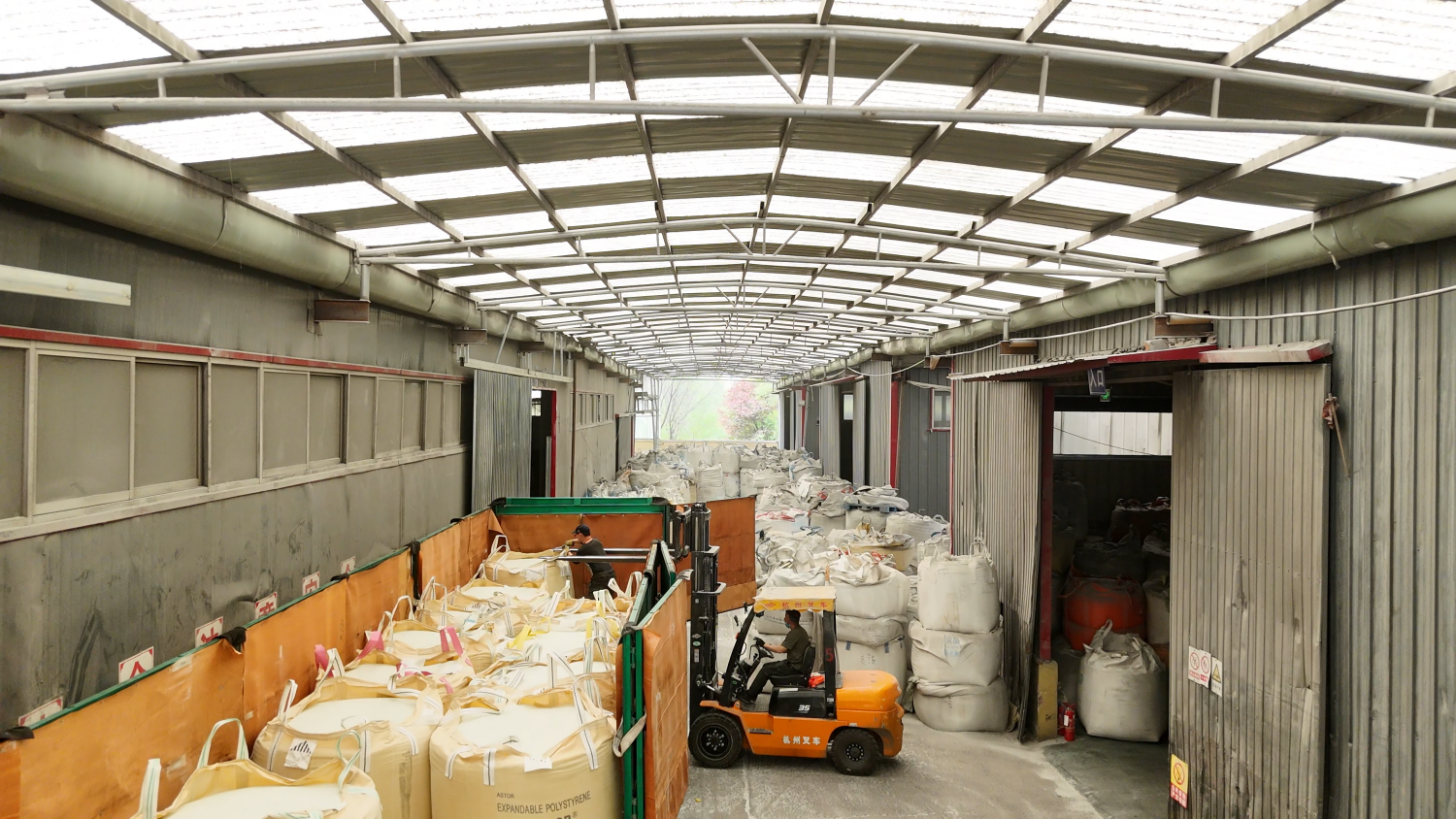
- Audit production capacity. Confirm the manufacturer has enough production lines, inventory, and bases to absorb order volume and schedule changes. Delivery risk increases when a supplier is operating at the edge of capacity.
- Verify quality control. Ask which testing instruments are used in production. Full-process testing of particle size, reflectivity, and wear resistance is the difference between a consistent product and a batch-dependent one.
- Run a trial batch before scaling. Validate the bead against the project standard and application method (drop-on or pre-mixed) before committing to large-volume procurement.
Use Cases: Matching the Right Glass Beads to the Project
- Government and contractor projects: When tender documentation references imported-equivalent performance, Dylantech's comparable retroreflectivity, sphericity, and wear resistance, combined with a 5% to 15% lower cost, support budget compliance without specification deviation.
- High-traffic roads: Markings on high-traffic roads endure more passes and faster wear. A 20% to 30% longer service life and reduced replacement frequency lower the total cost of maintaining lane visibility.
- Road marking with consistent retroreflectivity requirements: Projects with retroreflectivity acceptance thresholds benefit from uniform grain size and stable batch performance, which reduce rework and rejected sections.
Comparison Table: Dylantech Glass Beads at a Glance
| Comparison Criterion | vs. Imported Equivalent Products | vs. Ordinary Reflective Materials | vs. Traditional Glass Beads |
|---|---|---|---|
| Optical performance | Same optical performance and roundness; retroreflectivity, sphericity, and wear resistance comparable to imported standards | Higher refractive performance and durability | Higher particle sphericity and uniform grain size |
| Cost | 5% to 15% lower | 5% to 15% lower | Comparable raw material and finished product cost |
| Service life / maintenance | Faster delivery and support | 20% to 30% longer service life; reduced replacement frequency | Lower rework rate |
| Efficiency | Flexible domestic production and customization capacity | Longer lifecycle efficiency | 10% to 15% improvement in reflectivity consistency; lower energy consumption via waste heat recovery |
| Best-fit scenarios | Government and contractor projects | High-traffic roads | Road marking requiring consistent retroreflectivity |
Supply Risk Control: What Backs the Comparison
A product comparison is only as reliable as the supplier's ability to reproduce the result at scale. Dylantech manages three categories of procurement risk:
- Quality risk: Full-process testing is performed throughout production using a laboratory equipped with CAMSIZER, X-2600, and other internationally advanced testing instruments, under an ISO9001 quality management system.
- Delivery risk: An annual capacity of 100,000 tons with multiple production lines, combined with production planning and inventory management, provides schedule assurance for large orders.
- Raw material supply risk: Four production bases and long-term supplier cooperation ensure stable raw material supply across the manufacturing network.

Dylantech additionally holds CE, JIS, and KIS certifications and has been recognized as a provincial-level high-tech enterprise and a specialized and sophisticated enterprise with distinctive features. The company's products are exported to the United States, Europe, Brazil, Canada, Australia, New Zealand, and most countries in Southeast Asia, serving customers in more than 50 countries and regions. Cooperative partners include ENNIS, Geveko, and Swarco, along with numerous local construction companies and road safety product manufacturers.

Need a project-specific glass beads comparison?
Contact Dylantech (DYLAN TECHNOLOGY CO., LTD) for glass beads pricing, samples, and specification support.
Email: dylan@xgbead.com | Tel / WhatsApp: +86 186-3166-3616
Website: www.dylantech.com
FAQ
1. Do Dylantech glass beads meet AASHTO M247, EN 1423, or BS 6088 requirements?
AASHTO M247 is the U.S. standard specification for glass beads used in traffic paints, requiring at least 70% roundness. EN 1423:2012 is the European harmonized standard for glass beads and antiskid aggregates used as drop-on materials for road markings, and BS 6088 covers road marking beads in the UK market. Dylantech performs full-process testing on particle size, reflectivity, and wear resistance using laboratory instruments including CAMSIZER and X-2600, and holds ISO9001, CE, JIS, and KIS certifications that support product entry into international markets.
2. How do Dylantech glass beads compare with imported equivalent products?
Dylantech glass beads provide the same optical performance and roundness as imported goods. Technical advantages include retroreflectivity, sphericity, and wear resistance comparable to imported standards, while the commercial advantages are a 5% to 15% cost reduction, faster delivery and support, and flexible domestic production and customization capacity. This profile makes the product suitable for government and contractor projects.
3. What are the cost differences between Dylantech glass beads and the alternatives?
Compared with imported equivalents, Dylantech reports cost reductions of 5% to 15%. Compared with ordinary reflective materials, the product is 5% to 15% lower in cost while offering 20% to 30% longer service life. Compared with traditional glass beads, raw material and finished product costs are comparable, but the lower rework rate and a 10% to 15% improvement in reflectivity consistency reduce the cost per accepted square meter of marking.
4. Can buyers request glass beads samples before placing an order?
Buyers evaluating glass beads for road marking projects can contact Dylantech's sales team directly to discuss product specifications and testing. The team can be reached by email at dylan@xgbead.com or by phone or WhatsApp at +86 186-3166-3616, and the company website at www.dylantech.com provides further product information.
5. What delivery capacity does Dylantech have for large road marking projects?
Dylantech operates four production bases located in Liaoning, Shanxi, Hebei, and Henan provinces, equipped with more than 15 advanced professional glass beads production lines and an annual output of 100,000 tons. Delivery risk is controlled through production planning and inventory management, supported by long-term supplier cooperation for raw materials. For project-specific lead times and pricing, contact dylan@xgbead.com or WhatsApp +86 186-3166-3616, or download the Dylantech corporate brochure.
Conclusion
Glass beads procurement at the decision stage is a comparison of performance, lifecycle cost, and supply reliability — not just unit price. Dylantech's documented comparison position covers the three options buyers most often weigh: a 5% to 15% cost advantage over imported equivalents with comparable optical performance, a 20% to 30% longer service life than ordinary reflective materials, and a 10% to 15% improvement in reflectivity consistency over traditional beads at comparable cost.
For procurement teams, the practical next step is to verify these claims against the project's governing standard, test the product in a trial batch, and confirm the supplier's capacity for the delivery schedule. Dylantech's four production bases, full-process testing laboratory, and 100,000-ton annual capacity provide the factual starting point for that evaluation.
Start your glass beads evaluation
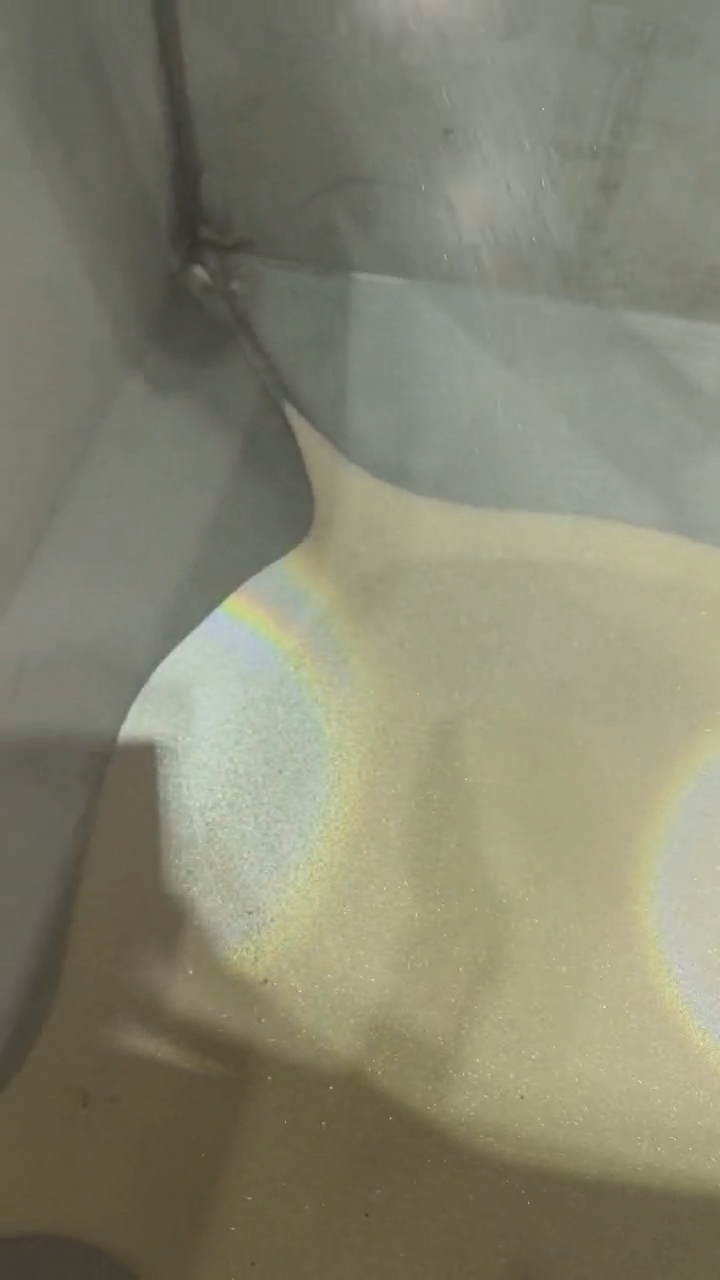
DYLAN TECHNOLOGY CO., LTD supplies reflective glass beads for road marking, serving projects that reference AASHTO M247, EN 1423, and BS 6088 specifications.
Email: dylan@xgbead.com | Tel / WhatsApp: +86 186-3166-3616
Download: Dylantech Corporate Brochure (PDF)
Have Questions or Need More Details?
Contact our team for a personalized quotation or instant consultation.
Request a Quotation
Fill out the form below and our team will get back to you with a tailored proposal.
WhatsApp Direct Chat
Prefer to chat in real-time? Message us on WhatsApp for instant assistance & quick answers.
- Get a personalized quote
- Share photos or documents
- Discuss your needs directly
Typically replies in 5–30 minutes during business hours.