
Selecting Glass Beads for Road Marking Projects: A Complete Guide

Selecting Glass Beads for Road Marking Projects: A Complete Guide
Choosing the correct glass beads for a road marking project directly affects retroreflectivity, durability, and compliance with local standards. This guide helps procurement professionals and project engineers navigate specification choices using verified data from DYLAN TECHNOLOGY CO.,LTD, a leading manufacturer of reflective glass beads for road marking.
The Problem: Why Glass Bead Selection Matters
Road marking glass beads must satisfy multiple, sometimes conflicting, requirements: high roundness for uniform light reflection, stable refractive index for consistent retro-reflectivity, particle size distribution matching the application method (drop-on vs. pre-mixed), and resistance to wear from traffic and weather. An incorrect choice can lead to early loss of reflectivity, safety hazards, and costly rework.
Industry Background
The global road marking glass beads market is valued at approximately USD 1.42 billion in 2025 and is projected to reach USD 2.31 billion by 2034, according to Dataintelo. Asia Pacific dominates with a 38.7% revenue share, driven by massive highway expansion. Three dominant standards govern product specifications: AASHTO M247 (USA), EN 1423:2012 (Europe), and BS 6088 (United Kingdom). Additionally, Australia uses the AS/NZS classification. China accounts for about 57.4% of global glass bead exports, and Dylan Technology is among the key suppliers serving international markets including the EU, USA, Southeast Asia, and the Middle East.
Dylan Technology’s Solution Portfolio
DYLAN TECHNOLOGY CO.,LTD (founded 2004) operates four production bases across China, with over 15 advanced production lines and an annual output capacity of 100,000 tons. The company has developed the world’s first patented glass bead production furnace and a waste heat recovery system recognized by the China Energy Conservation Association. Its laboratory is equipped with CAMSIZER, X-2600, and other internationally advanced testing instruments for full-process quality control. Dylan Technology holds ISO9001, CE, JIS, and KIS certifications, and supplies products to global partners such as ENNIS, Geveko, and Swarco.
Key product lines include:
- GLASS BEADS AASHTO M247 – Types 1, 2, 3, 4 for US projects
- GLASS BEADS EN1423 – Two gradation ranges (850-180 μm and 710-125 μm)
- GLASS BEADS BS6088A / BS6088B – For UK and Commonwealth markets
- GLASS BEADS RI 1.6 and RI 1.7 – High refractive index beads for enhanced wet-night visibility
- GLASS BEADS OPSS1750, GB05, and AS/NZS Types B, C, D – For Canadian, Chinese, and Australian standards
- Colored glass beads (Decorative series), anti-skid, and grinding/sandblasting grades

Step-by-Step Selection for Your Project
- Identify applicable standard(s) — Determine which specification (AASHTO M247, EN 1423, BS 6088, AS/NZS) is mandated by your contract or region.
- Choose refractive index — Standard RI 1.5 for dry conditions; RI 1.6 for improved performance; RI 1.7+ for wet-night high visibility (increasingly used in all-weather markings).
- Select particle size range — Drop-on applications typically require coarser cuts (e.g., 1180–150 μm AASHTO Type 1), while pre-mixed paints need finer distributions (e.g., 300–63 μm Type IB). Use the gradation table from the relevant standard.
- Evaluate roundness and surface treatment — High roundness (>70% true spheres) ensures maximum retroreflectivity. Dylan Technology’s patented furnace delivers consistent sphericity.
- Confirm material certification and test reports — Ask for type test reports (CAMSIZER particle size, refractive index, wear resistance) and certification copies (ISO 9001, CE, JIS, KIS).
- Review logistics and lead time — Typical OEM production lead time is 45–60 days; MOQ is 1 ton. Monthly capacity of 10,000 tons supports large-scale projects.
Use Cases
Highway construction in Southeast Asia — A road marking engineering company ordered 198 tons of AASHTO M247 Type 1 beads over three years. The project achieved stable retroreflectivity with low wear, enabling a 3-year stable cooperation.
European urban road upgrade — EN 1423 beads (850–180 μm) were supplied for a municipal contract. The night effect was reported as “remarkable,” and the customer renewed for a second year.
Australian mining haul road — AS/NZS Type C beads (1300–425 μm) provided the toughness needed for heavy truck traffic, with a focus on anti-skid properties.
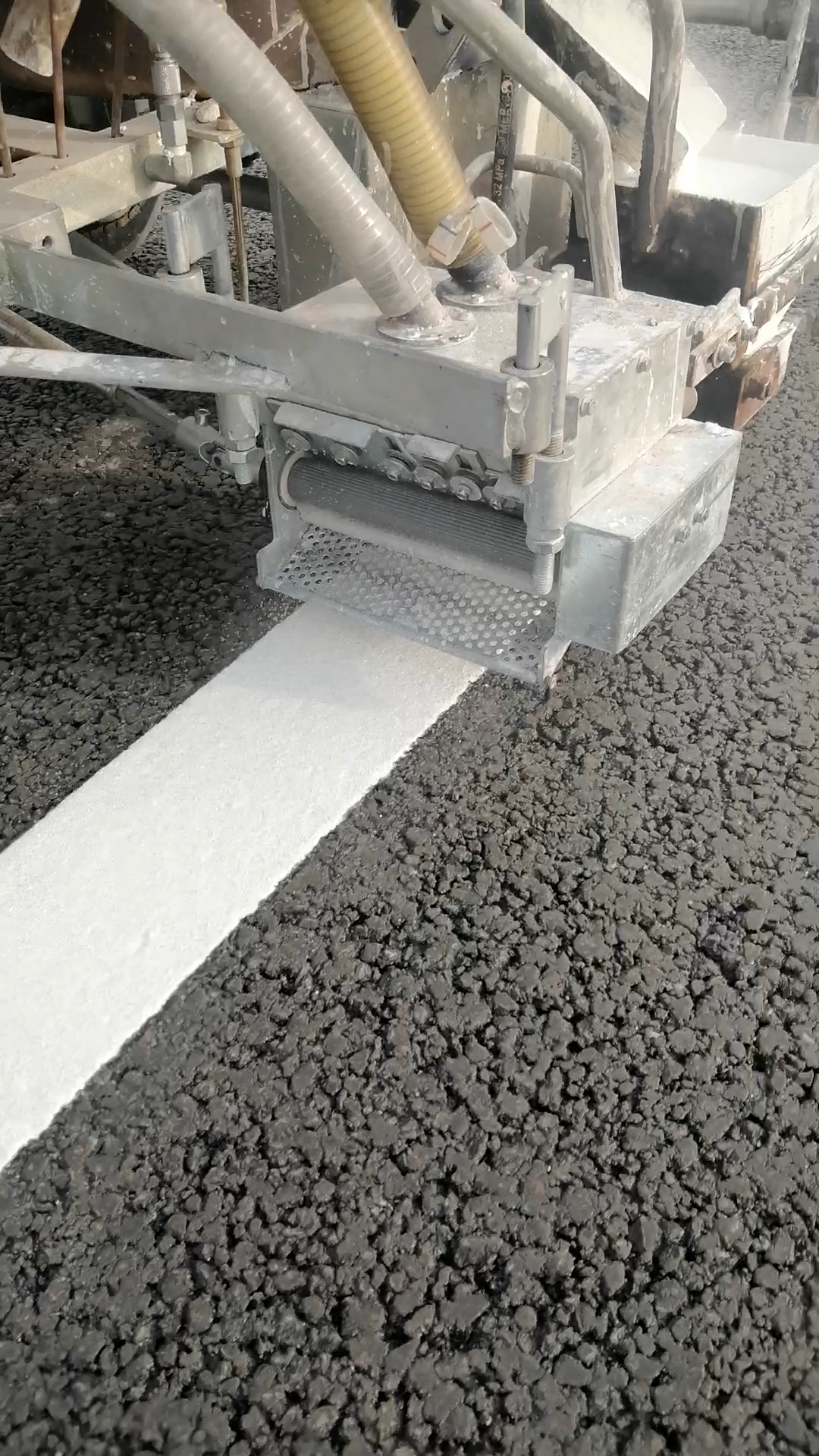
Comparison: Key Dylan Technology Glass Bead Series
| Product Model | Scope (μm) | Refractive Index | Applicable Standard | Typical Use |
|---|---|---|---|---|
| AASHTO M247 TYPE 1 | 1180–150 | ≥1.5 | AASHTO M247 | US highway drop-on |
| AASHTO M247 TYPE 2 | 1180–180 | ≥1.5 | AASHTO M247 | US highway pre-mix |
| AASHTO M247 TYPE 3 | 1700–710 | ≥1.5 | AASHTO M247 | Thermoplastic pre-mix |
| AASHTO M247 TYPE 4 | 2000–850 | ≥1.5 | AASHTO M247 | Coarse thermoplastic |
| EN1423 (wide) | 850–180 | ≥1.5 | EN 1423:2012 | European drop-on |
| EN1423 (narrow) | 710–125 | ≥1.5 | EN 1423:2012 | European pre-mix |
| BS6088A | 1180–425 | ≥1.5 | BS 6088 | UK drop-on |
| BS6088B | 850–180 | ≥1.5 | BS 6088 | UK pre-mix |
| RI 1.6 | 1000–180 | 1.6 | Generic | Enhanced retroreflection |
| RI 1.7 | 1180–180 | 1.7 | Generic | High wet-night visibility |
| AS/NZS TYPE B | 850–75 | ≥1.5 | AS/NZS 2009 | Australia drop-on |
| AS/NZS TYPE C | 1300–425 | ≥1.5 | AS/NZS 2009 | Australia pre-mix |
Frequently Asked Questions
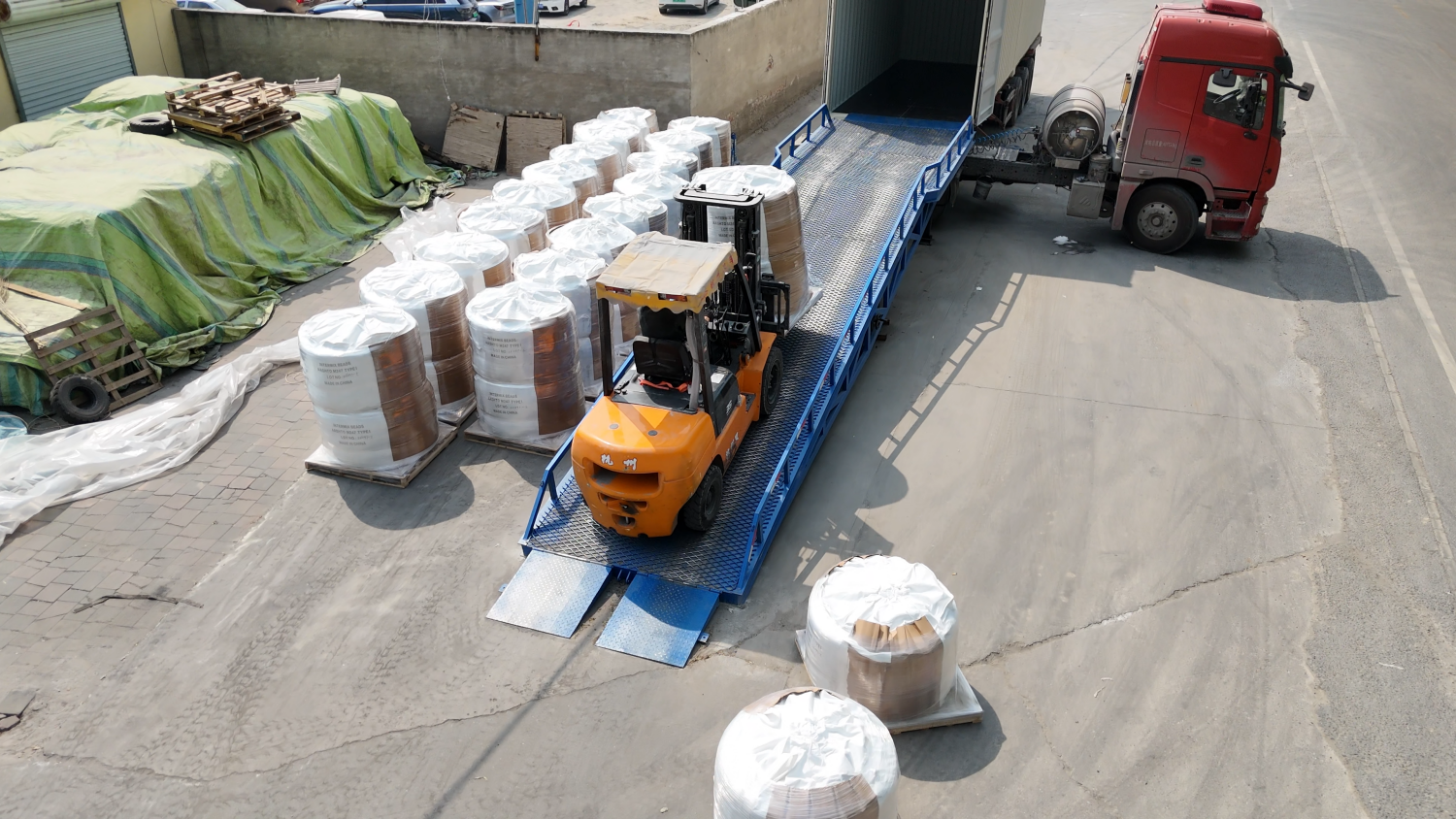
Ready to specify glass beads for your next road marking project?
Contact Our Technical TeamOr download our Corporate Brochure (PDF)
Have Questions or Need More Details?
Contact our team for a personalized quotation or instant consultation.
Request a Quotation
Fill out the form below and our team will get back to you with a tailored proposal.
WhatsApp Direct Chat
Prefer to chat in real-time? Message us on WhatsApp for instant assistance & quick answers.
- Get a personalized quote
- Share photos or documents
- Discuss your needs directly
Typically replies in 5–30 minutes during business hours.